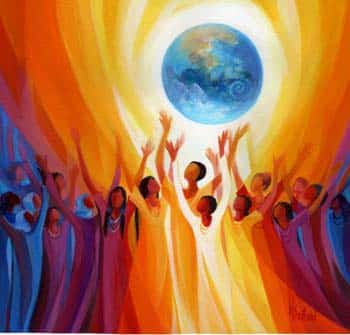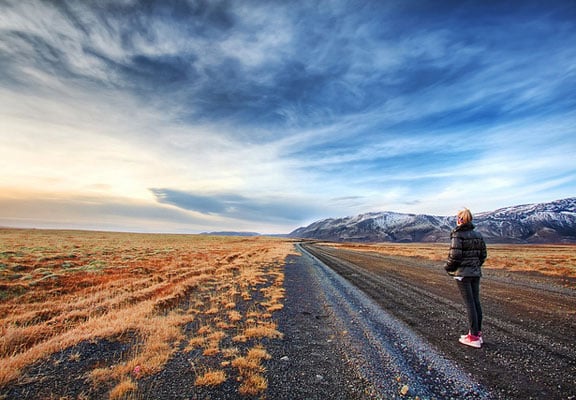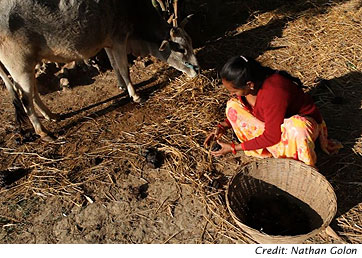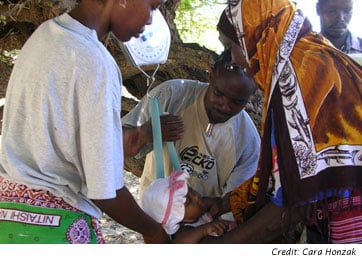

The effects of climate-related events are shifting the environment, altering communities and changing lives; especially, and disproportionately, those of women.
While climate change is a global problem, African countries are likely to feel the effects most acutely and women are the most vulnerable of all, as a result of their dependence on the natural resources that are threatened by climate change.
It’s time to shift billions of people onto modern energy sources in ways that help women and the planet. That’s the mantra. But the U.N.’s latest development plan lacks any legally binding mechanism to create flows of finance.
The scoring system measures 72 countries on such things as rates of anemia, access to agricultural land and women in policymaking positions. The United States has the lowest rates of anemia, but factors such as its failure to ratify CEDAW pushed it to 14th place.
The Environment and Gender Index (EGI) monitors women’s empowerment and gender equality in the environmental arena in 72 countries. This photo gallery shows how nine countries ranked.
These businesswomen don’t have environmental backgrounds, but they know it’s time to tailor their business practices to extreme global weather patterns. The fashion designer always paid attention to the weather but now she watches it with an eye to fabric prices.
The documentary “Weathering Change,” released today, shows how climate change is disproportionately impacting women. In one Nepali woman’s village, the forest has been depleted and only a quarter of the inhabitants have enough to eat.
Rural women in remote areas are often left out of family planning programs aimed at large population centers. Some biodiversity wildlife programs are showing how to step into the breach.
This site uses cookies to provide you with a great user experience. By continuing to use this website, you consent to the use of cookies in accordance with our privacy policy.