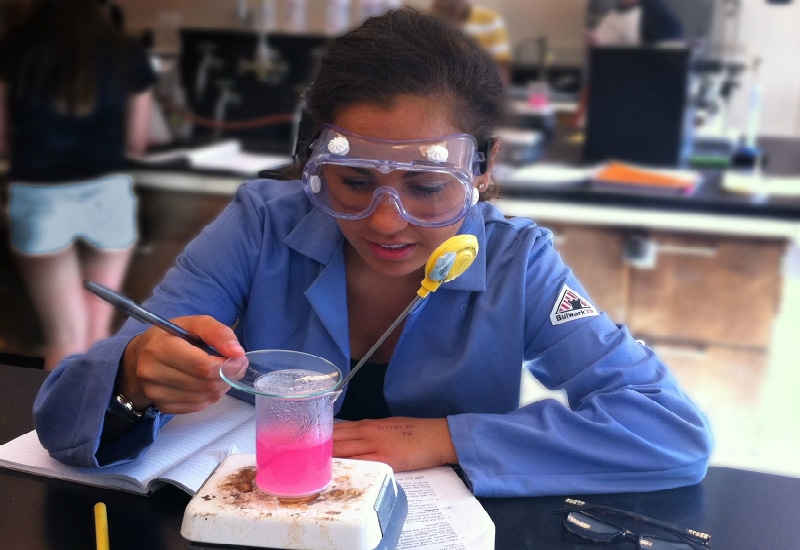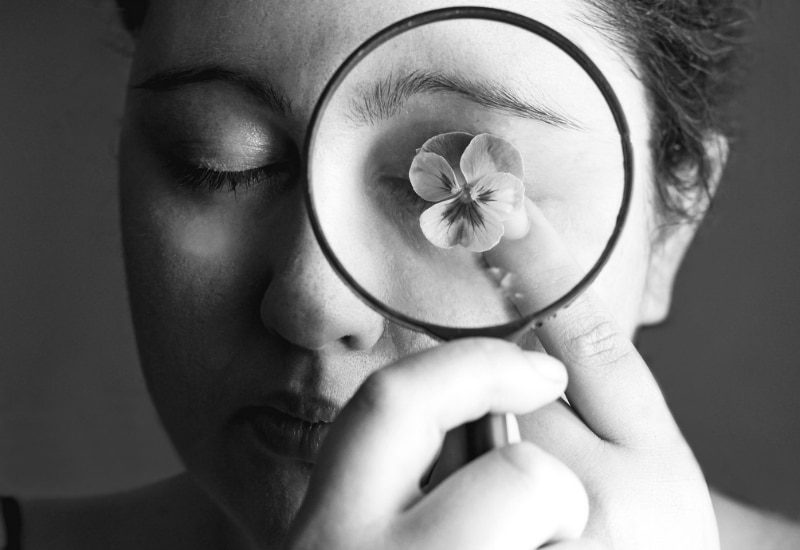
The focus on getting girls in STEM is working in life sciences, less so in math and engineering. “I really don’t enjoy math,” says one 17-year-old. “So I plan on pursuing a career in biology.”
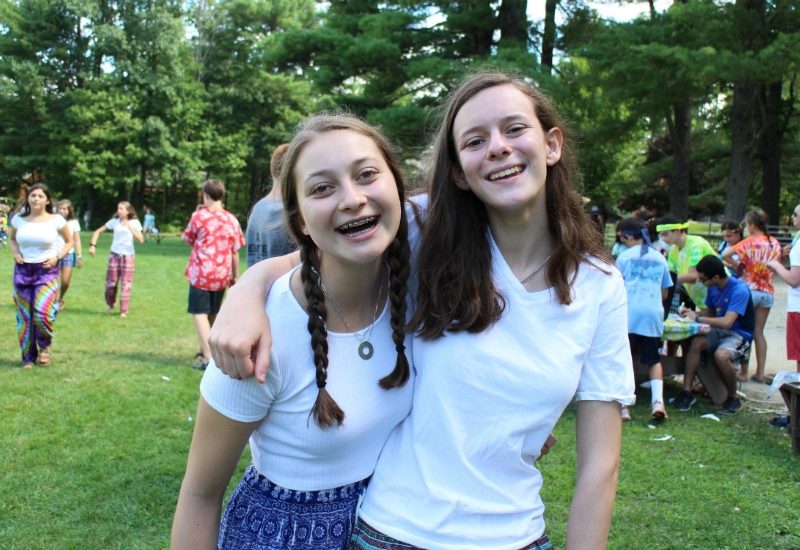
Carol Pola loves the extra time she spends with her younger sister when babysitting, but, with an older brother who could easily take on any of the duties, “the situation has become unfair,” she said.
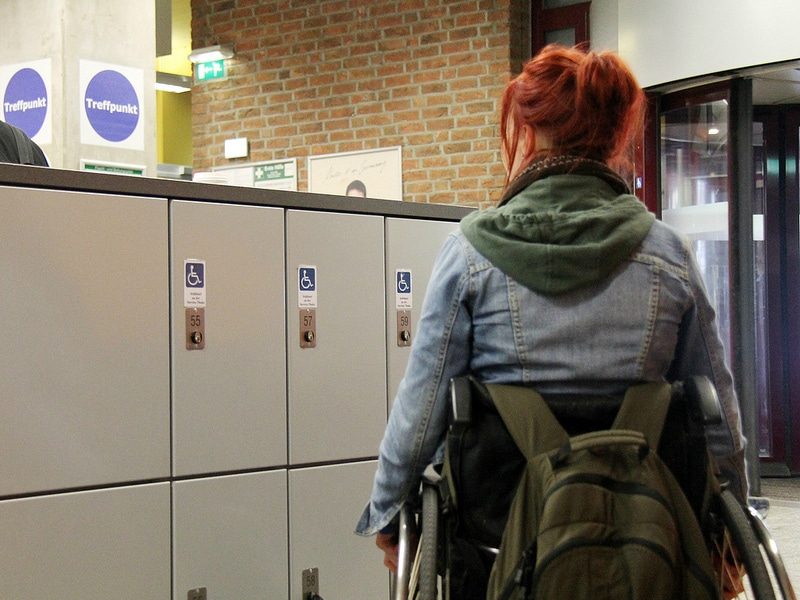
The barriers Anna Landre must overcome to get into college go beyond her disability. This article is part of Teen Voices’ Girl Fuse series, featuring stories by and about girls with disabilities.
With the help of her brother, Jackline escaped a forced marriage to a rescue center full of girls from similar situations. There, they formed a sisterhood and began their path to education.
Inaccessible bathrooms, schools and stores make it hard for some girls to participate as equal citizens. This article is part of Teen Voices’ Girl Fuse series, featuring stories by and about girls with disabilities.
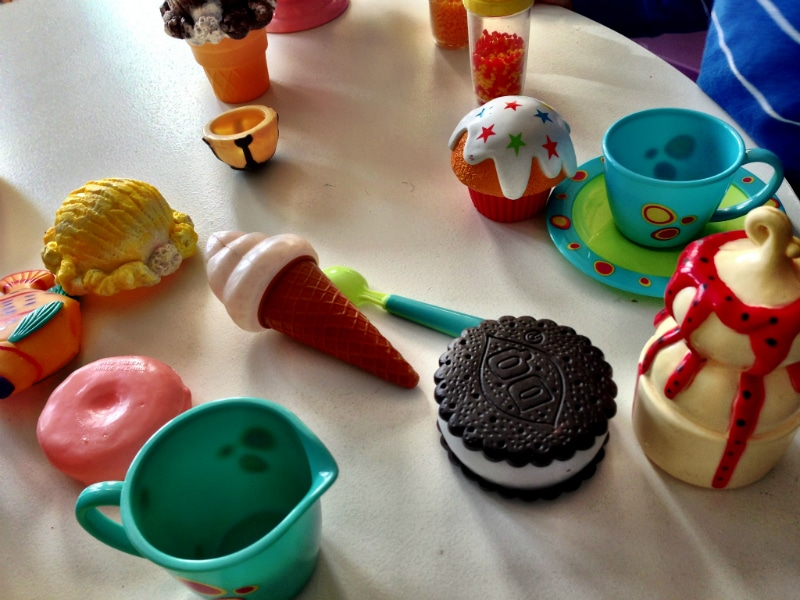
Rachel can’t taste any of the foods she makes, but cooking gives her a connection to her family and friends. This essay is part of Teen Voices’ Girl Fuse series, featuring stories by and about girls with disabilities.
While there may be plenty of opportunities for girls to participate in athletics at this Oregon high school, the fan base can’t compare to that of boys football.
Because of her spinal muscular atrophy, Trinity Miller uses a ventilator, which draws attention from strangers and peers alike; but Trinity has her own things say about how their reactions make her feel. This story is part of Teen Voices’ Girl Fuse series, featuring stories by and about girls with disabilities.
This site uses cookies to provide you with a great user experience. By continuing to use this website, you consent to the use of cookies in accordance with our privacy policy.