Nepal is seeing a new wave of political turmoil this week, but Jael Silliman says the country also offers a case study of the stabilizing benefits of CEDAW, the U.N. women’s rights treaty that turned 30 this month.
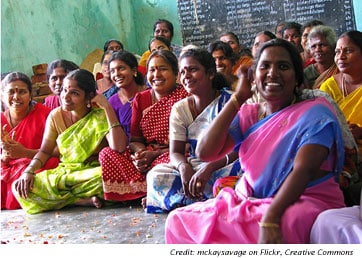
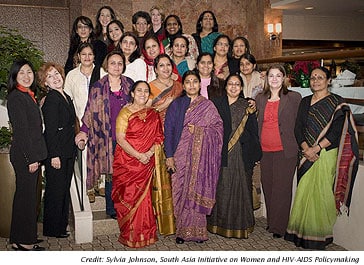
South Asian women from three spheres–journalism, politics and advocacy– recently planned a coordinated attack on HIV-AIDS among women. Their focus is on transportation, property rights and education.
Many homeless children in the Democratic Republic of Congo are living on the streets after being accused of witchcraft. Some say that more girls than boys are targeted in Bukavu. A shelter in the city provides a home for children labeled as witches.
Malalai Joya, called the “bravest woman in Afghanistan,” is finishing up a U.S. tour where she has pressed the Obama administration to pull the military out of her country. She says nothing could be worse for women than what she sees as the current civil war.
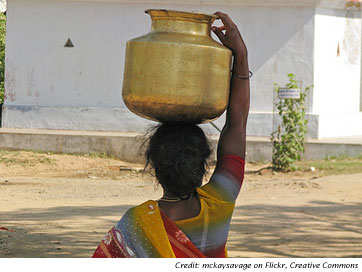
Improving water quality and access can help lower maternal mortality rates, say advocates. Now a new fellowship program is being launched to explore various solutions to the maternal health problem in the world’s poorest nations.
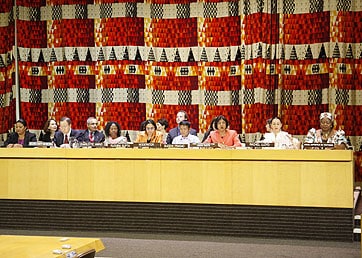
Survivors of human trafficking spoke at the U.N. recently as part of a new institutional effort to have their input on policymaking. Panelists said a major problem was not being seen as trafficking victims when they suffered their ordeals.
The prominence of Indian female politicians has attracted plenty of media attention. Less obvious, says Jael Silliman, is the broad, silent social revolution that is changing gender roles. Recently, it has reached into the Catholic Church.
Durante casi una década, los visados que podrían ayudar a las mujeres inmigrantes maltratadas eran restringidos por la falla del Servicio de Inmigración y Ciudadanía de los EE.UU. en emitir los reglamentos de aplicación. Ahora el retraso se está reduciendo rápidamente. Esta es la primera de dos historias.
“To allow this to continue belittles the whole of humanity.” That was the comment of one visitor at the U.N. opening of a touring photo exhibit about women who face gender violence in the Democratic Republic of Congo.
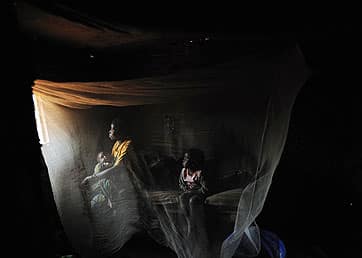
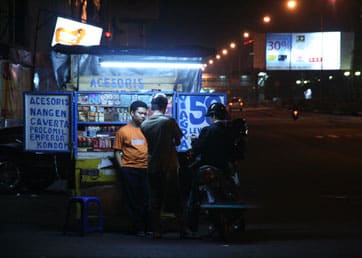
A tiny percent of Jakarta’s nearly 33,000 female sex workers use condoms reliably, according to government data. But will a condom distribution plan succeed this time around? And will it really help stop the spread of HIV-AIDS?
This site uses cookies to provide you with a great user experience. By continuing to use this website, you consent to the use of cookies in accordance with our privacy policy.