
Now, other prisoners will be afraid to help stop someone from killing themselves, the woman says. The incident occurred at a California facility under scrutiny for a lax approach to suicide prevention and mental health.
Despite initial dismissal toward the LGBT community and same-sex marriage, Asian Americans in California have become more supportive of the movement. Being reminded of their past exclusion from broader American society has helped with this acceptance.
“We no longer worry about not having enough money for food and other necessities,” says a woman who cares for an elderly client part time and cleans houses. But will a law that helped double her wages be tossed out or made permanent?
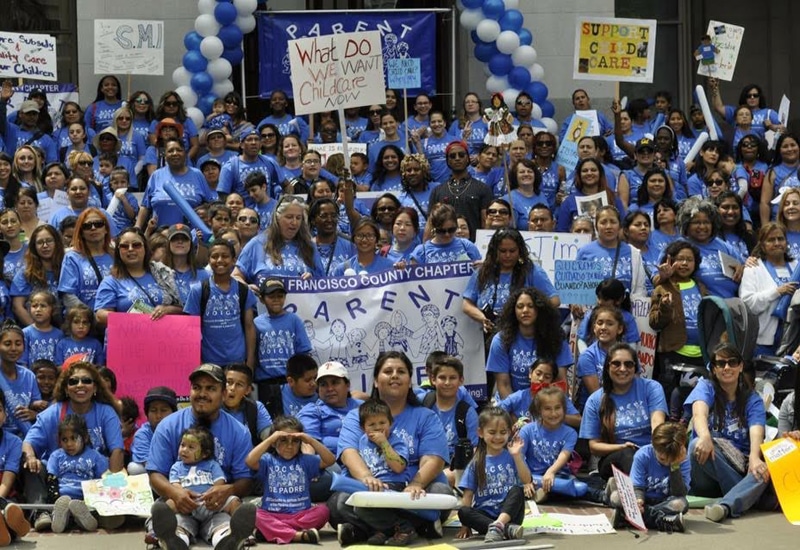
There are lots of ways we can bring more stability and security to working mothers. For these two women, improving how we handle child care assistance is key.
The law requires that these faith-based facilities, which have proliferated in recent years, to adhere to new standards. If the law survives court challenges, versions of it may pop up in other state legislatures during the coming months.
This Congress won’t pass it. But with support building on the ground and lessons learned from local legislation, we’re ready as a nation. Now we need a presidential candidate–most likely a woman–who can make paid family leave a priority.
Check out all the efforts–new and continuing–to reverse the slide in female office holders. The gender gap in political ambition may be derived from “traditional gender socialization.” These groups are busy lighting torches to spread the light.
Yes, it does matter if women are in state legislatures. A growing stack of research shows how elected women support the social infrastructure in ways that benefit everyone. That’s why we need more women in the 2014 and 2016 races.
If they win in a state where campaign costs and competition are both high, Elizabeth Emken and Mimi Walters will crack open the GOP’s all-male caucus in California. The second in a series on women tapped by the GOP’s Project GROW.
In 1850, entrepreneur Nancy Gooch, center, bought the freedom of her only son and his wife, who were living as slaves in Missouri. She did it with savings from sewing, cooking and laundering for California miners.
This site uses cookies to provide you with a great user experience. By continuing to use this website, you consent to the use of cookies in accordance with our privacy policy.