Wisconsin’s new law against collective bargaining by public-sector workers is another front in the mass attack on reproductive rights, since unions pioneered such things as contraceptive health coverage, now considered politically vulnerable.
Gun-control bills authored by Carolyn McCarthy and Barbara Boxer have been gaining co-sponsors in the aftermath of the shooting in Tucson, Ariz. Chicago’s Jan Schakowsky calls the congressional gender gap a major hurdle in limiting firearms.
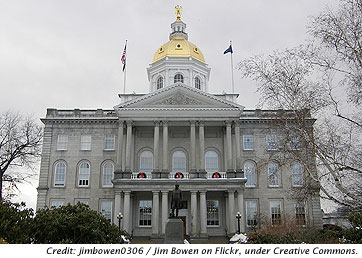
New Hampshire may pass a parental notification law this year and spur other states to follow. Nebraska could take leadership on fetal pain legislation. The second of two stories on anti-choice momentum in the states after the 2010 elections.
State legislatures look poised for what pro-choice activists grimly call a banner year in bills to limit abortion rights. The first of two stories on anti-choice momentum in the states after the 2010 midterm elections.
The payroll tax holiday may sound like good news for workers, but women’s advocates say it’s a dangerous political weapon in the hands of those who want to dismantle Social Security, which provides a lifeline for many older women.
House Speaker John Boehner of Ohio personifies the battles over reproductive health care rights at home and abroad that pro-choice advocates see lying ahead in the 112th Congress, which starts in January.
Pro-choice Sen. Boxer’s re-election campaign in California has been hit by $4 million in attack ads in the past two months, making her race appear one of the most affected by the Supreme Court’s January decision to lift campaign financing restrictions.
Obama’s deficit commission is expected to propose a higher retirement age for Social Security on Dec. 1. Older women’s advocates say that will be particularly punishing for low-income women in physically demanding jobs.
Planned Parenthood has endorsed Democrat Dan Seals in the U.S. congressional race for the 10th District of Illinois, one of the few races in the country where longtime GOP dominance could give way.
La cobertura de las personas con condiciones pre-existentes se supone que era para ayudar a las mujeres en particular, que sufren más enfermedades crónicas. Pero mientras los “fondos de alto riesgo” entran en vigor, las mujeres de bajos ingresos pueden tener más dificultades para pagar las primas.
This site uses cookies to provide you with a great user experience. By continuing to use this website, you consent to the use of cookies in accordance with our privacy policy.