As director of outreach cardiology at Montefiore Medical Center, Dr. Julie Ramos remembers where she came from. “My mom did not have a job other than as a cleaning lady,” says Ramos. And her mother’s English was limited.
She was elected to the U.S. Senate 16 years before Barack Obama, who credits her with showing him the way, writes Jeannie Morris in this excerpt from her new book, “Behind the Smile.”
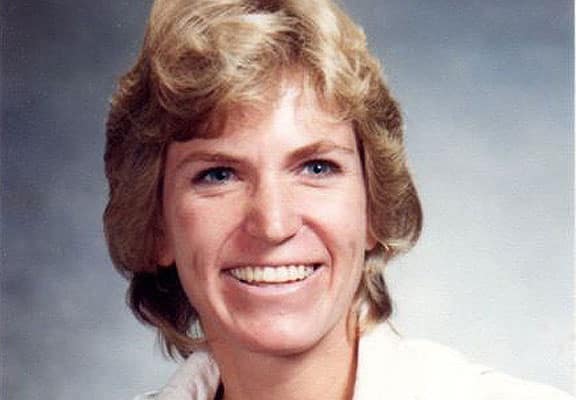
She was the first female agent to die in the line of duty and her colleagues call it doubly tragic because she was killed by friendly fire. Director J. Edgar Hoover kept the FBI ranks all male but today roughly 20 percent of agents are women.
The civil rights leader, an obstetrician, brought health care to poor sharecroppers during the Depression and battled racism and gender bias, says Diane Kiesel in the biography “She Can Bring Us Home.” Unfortunately, Ferebee’s life story died with her.
When Nancy Alexander decided to look into her family history, little did she realize she’d discover her connection to Sarah Tyndale, just one of the many women whose stories never made it into the history books.
Though neither strategy worked, Clinton and Palin used a mix of feminine and masculine messages in their campaigns, say Regina G. Lawrence and Melody Rose in this excerpt from the anthology “Women and Elective Office.”
Two young children and no car didn’t prevent Rita Henley Jensen from enrolling in Ohio State University. She caught a ride with a stranger and her family’s future was transformed, she says in this excerpt from the anthology “Nothing But The Truth So Help Me God.”
We don’t need women to become imitation men, but we don’t want them to be imitation saints, either. There are a lot of women who want to succeed, who want to climb the ladder, who want to get ahead, and hurrah for them.
A petition has been delivered to the Ohio State Legislature demanding an end to a rape-related law. Also this week, a sexual harassment case in one of Egypt’s largest universities has sparked outrage after the school’s dean blamed the woman’s outfit.
The business community in Asia-Pacific has many reasons to ratchet up its low numbers of women on corporate boards. Candidates are out there and available to fill the pipeline and the posts. They just need training, mentoring, networking and sponsors to become more visible.
This site uses cookies to provide you with a great user experience. By continuing to use this website, you consent to the use of cookies in accordance with our privacy policy.