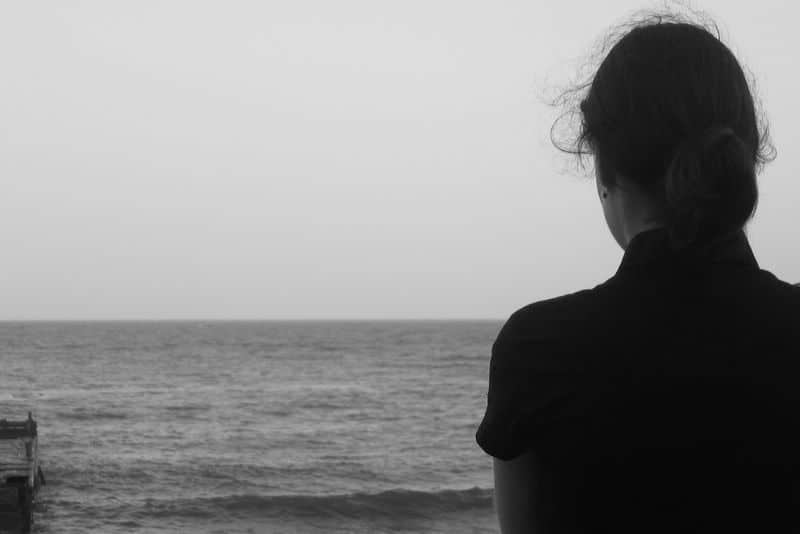
Jasmin’s blindness makes it hard for her to hide her eating disorder in social situation. Here, she questions why others must draw attention to a situation that is awkward for everybody.
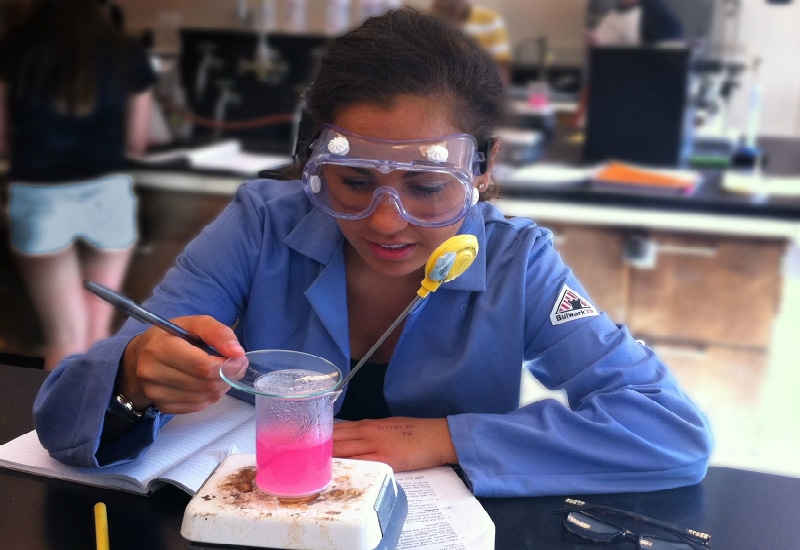
The focus on getting girls in STEM is working in life sciences, less so in math and engineering. “I really don’t enjoy math,” says one 17-year-old. “So I plan on pursuing a career in biology.”
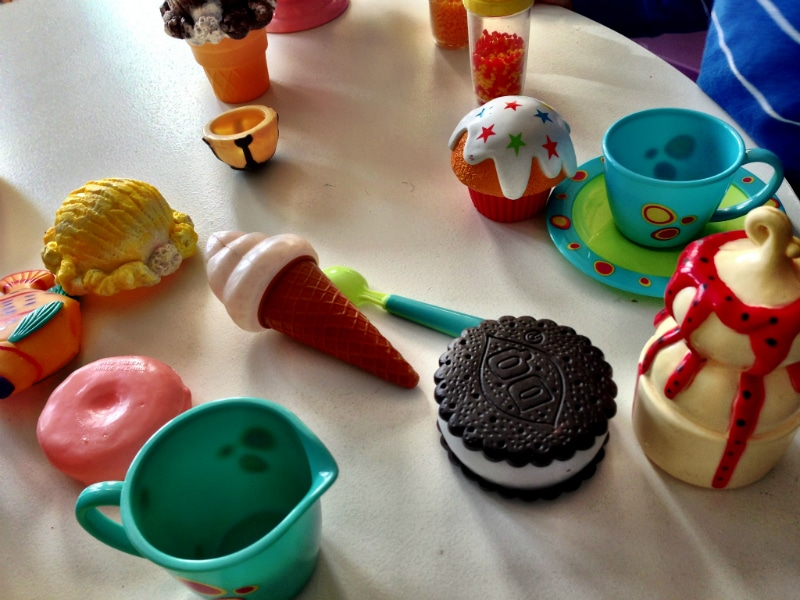
Rachel can’t taste any of the foods she makes, but cooking gives her a connection to her family and friends. This essay is part of Teen Voices’ Girl Fuse series, featuring stories by and about girls with disabilities.
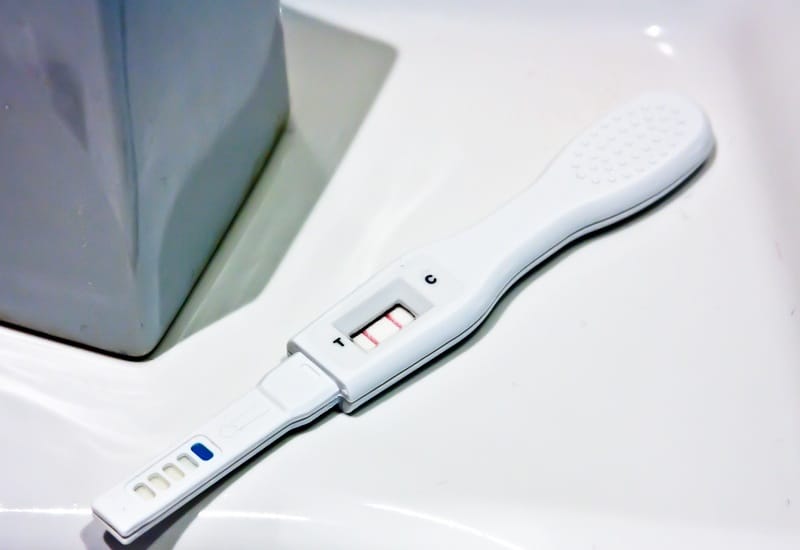
Dr. David Keefe, a specialist in infertility at New York University’s School of Medicine, talks about what is known, what remains unexplained and how genome sequencing is helping to reduce miscarriages.
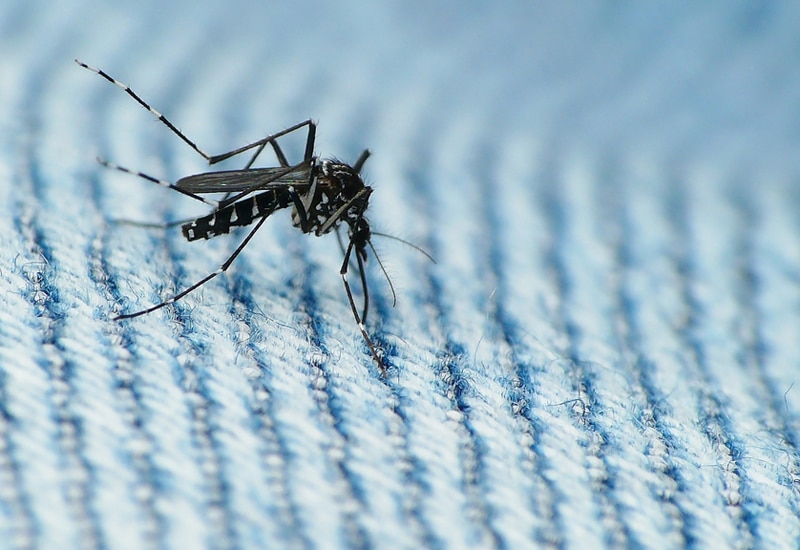
“Most of us in the U.S. are lucky to be in the periphery,” says Kacey Ernst, an epidemiologist. “But of course with sexual transmission it doesn’t matter where you live.”
“My entire sixth grade experience was people not believing that I was sick,” says one girl. “People thought I used a wheelchair for fun.” Part of Teen Voices’ Girl Fuse series, highlighting stories by and about girls with disabilities.
Among those celebrating was a young woman who, in a court briefing, described her own abortion. “I knew what was best for my family,” she said, her voice shaking, shortly after the ruling came out June 27.
Getting hospitals to stop estimating blood loss and start quantifying it—going from “EBL to QBL”–is now a major goal of an effort to reduce postpartum hemorrhage, a leading cause of maternal death that disproportionately afflicts black women.
This site uses cookies to provide you with a great user experience. By continuing to use this website, you consent to the use of cookies in accordance with our privacy policy.