Mexican women imprisoned in the highlands of Chiapas struggle over scarce resources in crowded rooms. The nights are cold and the days are long. One woman says she’s learned to read and write and make paper flowers to sell.
Central American female migrants seeking a better life in the United States risk huge dangers as they pass through Mexico. Human rights researchers say their chances of getting a humanitarian visa for what they suffer are almost non-existent.
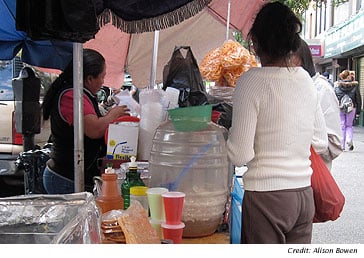
In New York City, a food vendor celebrates her 20th Christmas without the documentation she needs to visit family back in Mexico. To her, the warm rice and hot tamales that she cooks and sells preserve the cultural connection every day.
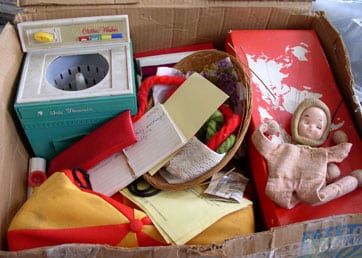
A reporter’s run-in with bedbugs forces her to inspect or clean every single one of her possessions. A box of childhood keepsakes–from Gloria Steinem’s autograph to Suzy Homemaker toys–reflects on the contradictions of a U.S. girlhood spanning the ’60 and ’70s.
For nearly a decade, visas that could help battered immigrant women were held up by the U.S. Citizenship and Immigration Services’ failure to issue implementation regulations. Now the backlog is shrinking fast. The first of two stories.
Abused immigrants need law enforcers to help them secure a protective U visa. But across the country, advocates say many police don’t seem to have heard of them yet and some of their clients are improperly apprehended. The second of two stories.
Mexico has taken federal measures to improve women’s safety. But anti-violence activists say a new commission is based on a flawed model and a federal prosecutor has limited power. The second of two stories on femicide in Mexico.
Children of a murdered Mexican woman are haunted by the domestic homicide they witnessed. But the crime remains unsolved, in what the grandmother calls a culture of impunity. The first of two stories on femicide in Mexico.
In a backlash to Mexico City’s move to decriminalize abortion two years ago, states across Mexico have been rewriting their constitutions to grant embryos legal rights. So far 13 states out of 32 have approved the changes and six are debating it.
This site uses cookies to provide you with a great user experience. By continuing to use this website, you consent to the use of cookies in accordance with our privacy policy.