
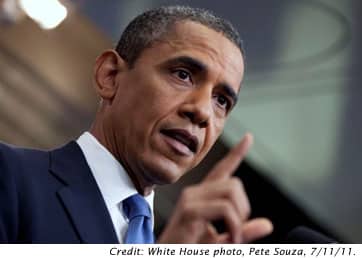
As the deadline to avert a U.S. debt default looms, Obama is proposing lowering cost-of-living increases for Social Security. Women’s advocates cry foul, saying it’s not a “shared sacrifice” and unfairly punishes the elderly.
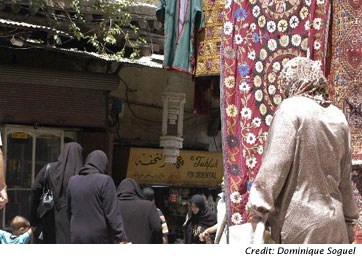
An Iraqi refugee woman in Syria cannot, by law, take local work. But her U.N. assistance check doesn’t cover living costs and she doesn’t want a “pleasure marriage” to help her survive. Her children are so unhappy she’s ready to give them up.
Iraqi women who have fled to Syria to escape the U.S.-led war face another form of violence: sales to brothels by male relatives desperate for money. Damascus is escalating its legal response to trafficking, but the risks remain high.
Oprah has called the alleged abuse of a U.S. pop star a “teachable moment.” Stacy Bannerman, whose husband is deployed in Iraq, says the same national instruction is also needed about veteran domestic violence and post-traumatic stress syndrome.
Six women from McClatchy’s Baghdad bureau took on the high-risk assignment of covering the war. Sometimes working in secrecy, they reported the sweeping changes facing their homeland and worked to put women’s stories on the record.
War coverage has begun to pay more attention to the vanishing freedoms of Iraqi women, says Sheila Gibbons. But there’s still not nearly enough coverage of this outrage.
An Iraqi woman who survived a rape before she and her family moved to Lebanon is finding a way to talk about her ordeal. But aid workers say that in the major Iraqi refugee communities of Syria and Jordan this war wound goes unmentioned.
Death sentences imposed on three Iraqi women–some of them mothers with young children–have spurred international concerns about the conduct of their trials and the abrogation of international prohibitions against the death penalty for new mothers.
NPR’s Anne Garrels was the voice of Iraq during the 2003 invasion and her reports from the war zone have been a highlight of the network’s coverage. Now she sees only bad options in Iraq but intends to cover the country as long as possible.
Women are lobbying the Iraqi tribunal–the court trying the war crimes of Saddam Hussein’s Baathist regime–to prosecute crimes against women. Iraqi women involved in the effort are concealing their identities out of fear of retribution.
This site uses cookies to provide you with a great user experience. By continuing to use this website, you consent to the use of cookies in accordance with our privacy policy.