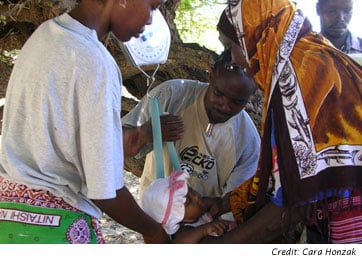
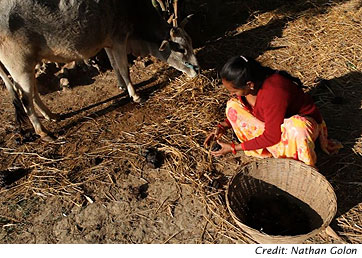
The documentary “Weathering Change,” released today, shows how climate change is disproportionately impacting women. In one Nepali woman’s village, the forest has been depleted and only a quarter of the inhabitants have enough to eat.
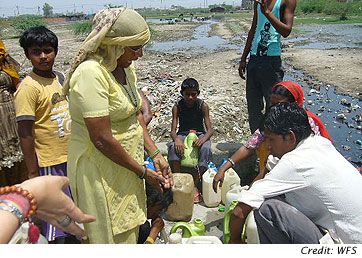
Thousands of women in the sprawling shantytowns outside of New Delhi face a long queue for a grimy toilet and dirty water. Even though the government recognizes women’s special need for sanitation and water, no special provisions are made.
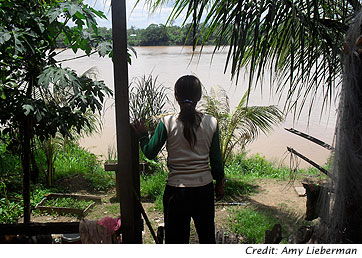
In Cambodia’s rural northeastern province, the Sesan River is the primary source of food and income for fishing and farming communities. But hydropower dams are encroaching and village women say their daily life is hit the hardest.
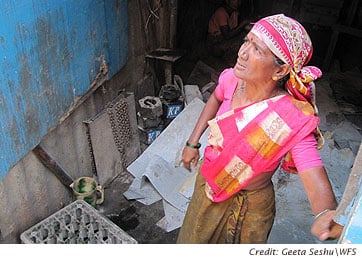
Female “ragpickers” in Mumbai are no longer what their name suggests. These days, many are in collectives and trying to find a better deal in the recycling industry. But it’s not easy when government business mandates on their behalf go ignored.
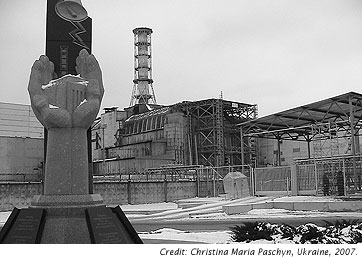
On the 25th anniversary of the Chernobyl nuclear power plant disaster in northern Ukraine, a former liquidator offers sobering warnings about radiation exposure, with particular cautions for women near the Japanese nuclear plant catastrophe.
It’s hard for many women in rural Kashmir to find income opportunities, but mushroom cultivation is popping up as a possible solution. The work can be done from home and a university is helping with training and marketing.
A gender gap in agriculture leaves female farmers with harvests that are 20 to 30 percent less than male counterparts. Closing that gap could rescue hundreds of millions of people from undernourishment claims a U.N. report released today.
Rural women in remote areas are often left out of family planning programs aimed at large population centers. Some biodiversity wildlife programs are showing how to step into the breach.
At the annual United Nations climate change talks, women are demanding a seat at the table on an international program aimed at reducing deforestation through carbon-credit trading.
The Woman’s Land Army is a group of almost-forgotten U.S. women who helped feed the country during World War I. Today their self-sufficient example is helping to nourish the locally-grown food movement.
This site uses cookies to provide you with a great user experience. By continuing to use this website, you consent to the use of cookies in accordance with our privacy policy.