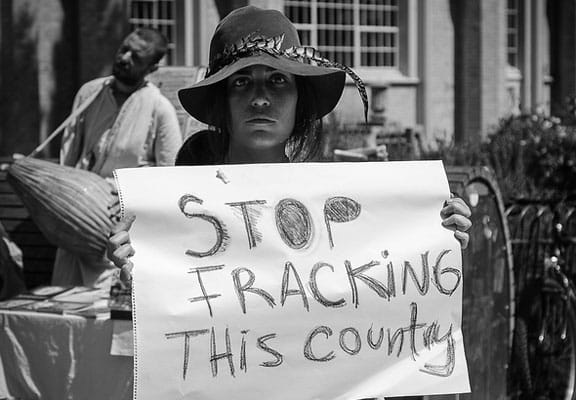
The boom in hydraulic fracturing for natural gas raises medical worries for a number of female health activists and researchers. “We need comprehensive studies to assess long-term problems,” says public health professor Madelon Finkel.
While it was rare to see other female workers maintaining the trails at Glacier National Park in Montana, Christine Byl says in this excerpt from “Dirt Work” that one crew helped transform a summer gig into a decades-long job working outdoors.
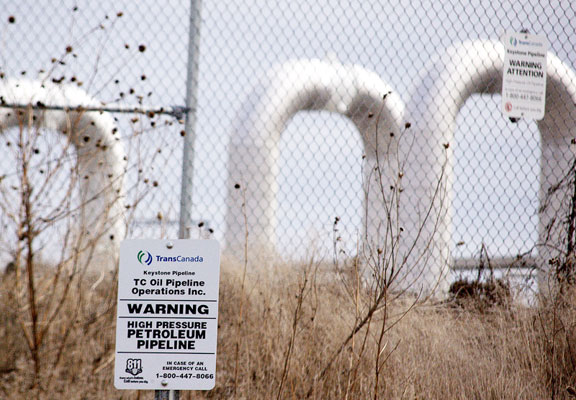
Along the miles of transcontinental pipeline being built to transport oil from the tar sands of Canada, women are fighting the project. One put her body in front of a bulldozer. Another is challenging eminent domain seizure of her family’s land.
Toxic chemicals have been removed from some makeup, but the ugly truth is that these ingredients persist after a decade of controversy. The good news is that consumer resources are coming to the rescue.
In the face of government inaction, health groups and medical organizations are intensifying their warnings about the harm posed to women and babies by environmental contaminants.
Yahoo’s naming of engineer Marissa Mayers – who is six months pregnant — as the company’s next CEO, has spurred bloggers to offer praise and warnings. Some worry the appointment is high-risk and could cloud the way for other aspiring female execs.
The UN’s target for access to drinking water was reached ahead of time. Great news for girls and women, but Lisa Schechtman is still watching the off-target goal of improved sanitation. What’s the point of water if we can’t keep it clean?
After decades of enduring frozen wages, the nation’s 3.3 million tipped workers — most of whom are women — may receive a minimum-pay hike. This could alleviate what economist Sylvia A. Allegretto calls an under-appreciated factor in women’s poverty.
“Taking Root: The Vision of Wangari Maathai” is broadcast tonight on PBS. Here, Lisa Merton looks back on making the film in Kenya and struggling to capture the sense of divinity and hope projected by the recently deceased Nobel laureate.
The 2009 cyclone that hit the world’s largest river delta drove many men out of the region and left the women in eastern India with few livelihood options. But seaweed plants and mangrove trees provide some hope for the future.
This site uses cookies to provide you with a great user experience. By continuing to use this website, you consent to the use of cookies in accordance with our privacy policy.