Amy Lieberman is a journalist based in New York City, where she reports on human rights, social issues and the environment for a range of news outlets.
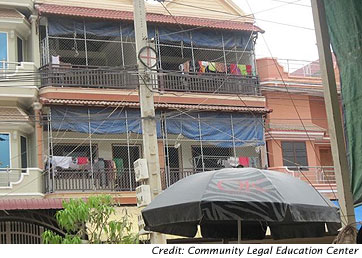
Cambodian women who go abroad to Malaysia to work as domestic workers find the work fraught with abuse. Much of the mistreatment starts right away, in recruitment pre-departure training centers in Phnom Penh.
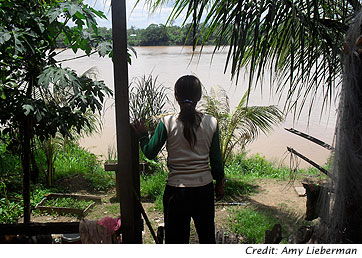
In Cambodia’s rural northeastern province, the Sesan River is the primary source of food and income for fishing and farming communities. But hydropower dams are encroaching and village women say their daily life is hit the hardest.
Yingluck Shinawatra may well become Thailand’s first female prime minister after July 3 elections. But women’s rights advocates aren’t enthusiastic, seeing her as a place-holder for her powerful brother, Thaksin Shinawatra, ousted in 2006.
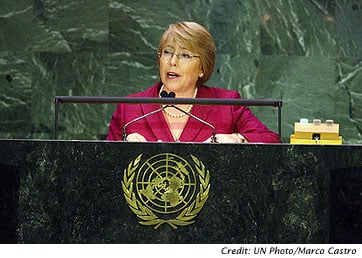
For months, the U.N.’s new superagency for women has been tapping advocates and academics around the globe for advice about how to shape the group’s first strategic plan, due out in June.
When the U.S. State Department recently agreed to a U.N. human rights recommendation for sex workers it joined one side of an anti-sex-for-hire argument. The other side believes prostitution is never safe for women and must be abolished.
A U.N. rapid-response team for mass outbreaks of sexual violence is pulling together. Here, its leader describes his first assignment to the DRC and warns that the four-person unit, which works by government invitation, can only do so much.
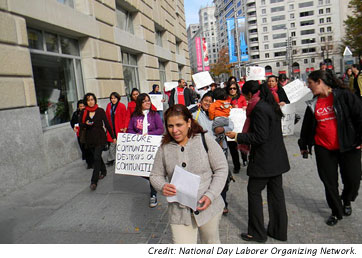
Secure Communities is the name of an expanding federal immigration program to deport convicts living in the U.S. illegally. Immigrant advocates say it’s undermining a federal law that protects crime victims from having to reveal their citizenship status.
U.N. Women opened its doors on Jan. 3 without any fanfare. The new “superagency” still lacks a budget, staff completion and detailed programs. Observers are now eyeing a delayed, formal launch in late February.
Jean-Pierre Bemba’s trial marks the first time that sexual violence is central to an International Criminal Court case. But so far, few female victims in the Central African Republic are giving testimony and many charges have been dropped.
Some mass rapes attract more outrage than others. Two recent atrocities– separated by just a couple of months–suggest U.N. peacekeeping jurisdiction can decide the degree to which the violations of hundreds of girls and women are noticed.
This site uses cookies to provide you with a great user experience. By continuing to use this website, you consent to the use of cookies in accordance with our privacy policy.