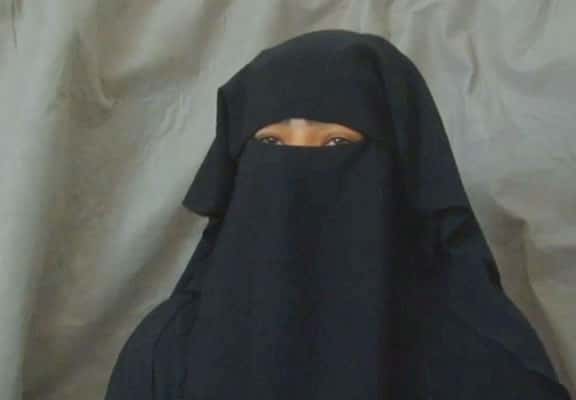
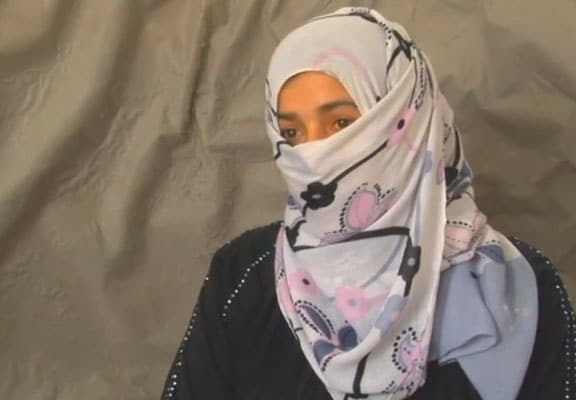
Next week the international community holds peace talks for Syria and women from that country are pressing for their voices to be heard. In this video from late last year, a Syrian woman living as a refugee in Jordan shares how she lost her husband and helped the Free Syrian Army.
Syrian refugee Hoda recalls helping an Alawite girl. Shurook, who didn’t want to appear on camera, also helped the opposition. The first of three videos featuring the stories of female refugees in the Free Syrian Army.
The group of 100 female leaders from 14 countries met in Jordan in late October and plans to reconvene in early 2014. They are focused on engaging with women’s post-conflict rights and powers under a series of U.N. resolutions.
Women’s groups in the region have embedded their desire for certain rights within larger calls for social justice, says Maryam Jamshidi in this excerpt from “The Future of the Arab Spring.” She cites examples in Yemen and Egypt.
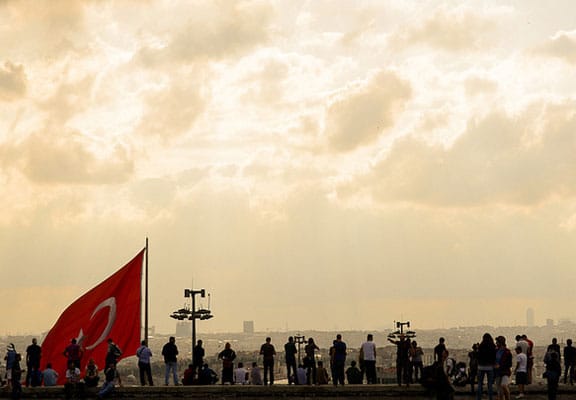
This is the country, after all, with a founder named Ataturk, who espoused the full social integration of women as essential to modernizing the nation. That might set these protests apart from what’s happening in Egypt and what happened in Iran.
Tensions are rising between secular Tunisian women and political Islam. “There is no room for the opposition and women to participate in building the country we want,” says one critic.
The 2003 Iranian Nobel Laureate said that the main obstacle for post-revolutionary Arab women is a “patriarchal culture” that imposes a false interpretation on Islam.
As the Middle East reconfigures politically, post Arab Spring, women are fighting for their rights, but not at the expense of their faith, says Isobel Coleman in the new preface of her book “Paradise Beneath Her Feet.”
In sideline panel events at the 57th Commission on the Status of Women, talk was of working for further transformation in everything from the Egyptian constitution to the safety of women throughout the uprisings.
The author was imprisoned after participating in a nonviolent protest and carrying a sign that read: “Only in Syria: the thinking mind is imprisoned.” Since her Jan. 9 release, she has felt a responsibility to share the stories of those she left behind in that prison cell.
This site uses cookies to provide you with a great user experience. By continuing to use this website, you consent to the use of cookies in accordance with our privacy policy.