
Family caregivers who step out of their jobs would get Social Security credits. So would widows and older workers in low-wage occupations. But safety-net advocates say this sweeping Social Security reform effort is ahead of its time.
Peggielene Bartels was working as a secretary in Washington, D.C., when she was tapped to be king of her village of Otuam, in Ghana. In this excerpt from “King Peggy” she recalls learning how to be the community’s first female monarch.
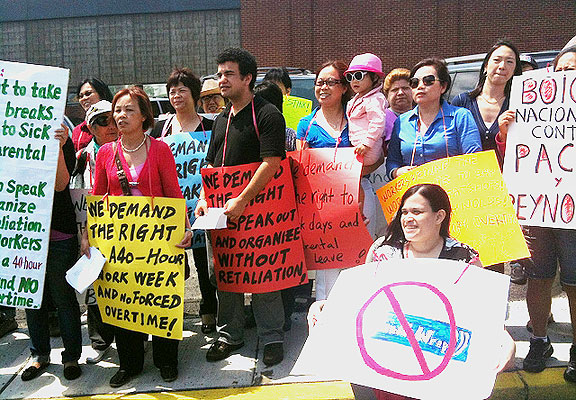
Female workers at a plastic container factory are calling for a national boycott of Reynolds, the parent company of their former employer, to highlight charges of forced overtime they are bringing in an appeal with the National Labor Relations Board.
The media narratives about women, motherhood and work provide three chronic themes of distortion and outright falsehood. As silly as they can seem to people in the real world, they have serious social and political consequences.
Many middle-class Brazilian female immigrants in New York City have turned to erotic dancing to support themselves, says Suzana Maia in her book, “Transnational Desires: Brazilian Erotic Dancers in New York.” In this excerpt, she explores why.
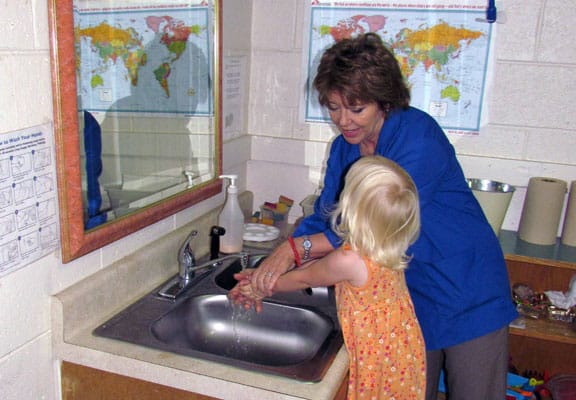
A child care director starts her day by picking up the cook, moves on to menu writing and is focused on ensuring legal safety standards. Her staff makes more than many child care workers whose earnings require them to depend on food stamps.
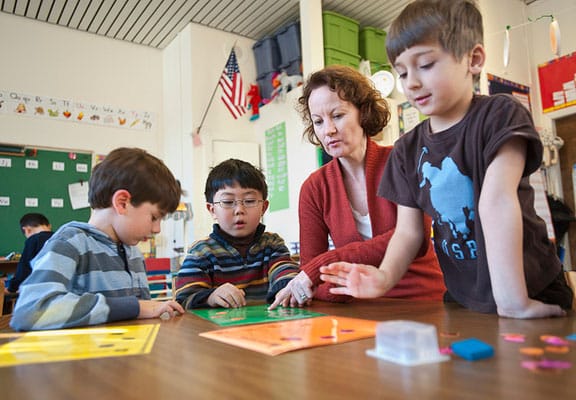
Many grade school teachers enter the occupation believing it fits well with raising their own children. For one woman, who didn’t bank on being a single parent, the salary–particularly in West Virginia–isn’t enough. Grandparents are needed.
Create a global fund at the International Finance Corporation for female-run enterprises in renewable energy and expand the Global Banking Alliance for Women. Those were two “green economy” recommendations out of Rio +20 on Monday.
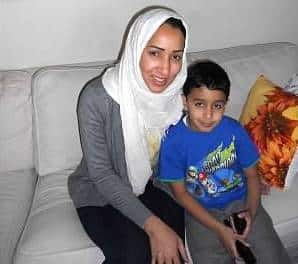
One year later, Manal al-Sharif has a host of international honors for helping to spur 100-plus women into the driver seats. But she’s lost her job and finds it too dangerous to travel to accept any more awards.
The Hagar and Miriam Project has helped African migrant women in Israel since 2007. It has always operated on a shoe string, but the aftermath of an anti-immigrant backlash to cases of rape in Tel Aviv has brought fundraising to a standstill.
This site uses cookies to provide you with a great user experience. By continuing to use this website, you consent to the use of cookies in accordance with our privacy policy.