The possible parole of Richard Troy Gillmore, the “Jogger Rapist” of Portland, Ore., has spurred victims to overturn the statute of limitations on rape in the state and require that parole boards spend more time with victims and their family members.
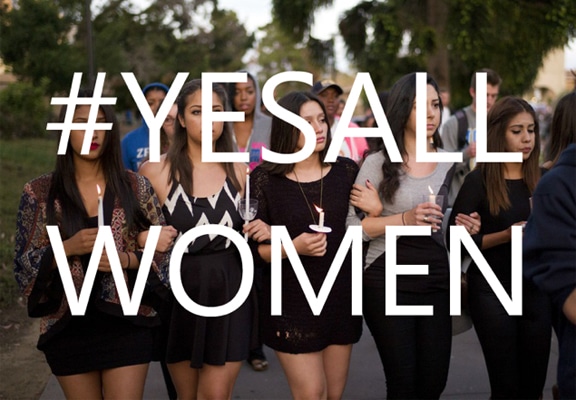
Since the May 23 attack over a million people have written about their own experiences of everyday misogyny using the hashtag #YesAllWomen. A new Tumblr page, “When Women Refuse,” is collecting examples of violence that women suffer for rejecting sexual advances.
To puncture official indifference, Latin American indigenous women are staging a tribunal on the sidelines of a U.N. permanent forum “to push back the invisibility” about what they suffer. “The justice system really doesn’t work for us,” says one.
India’s marathon national elections have added to the collective toll of vicious, sometimes deadly, violence against political women. Only 8 percent of this year’s candidates were women and advocates point to rape and harassment as likely reasons.
In Jordan, critics are finding shortfalls in the local press coverage of a March “honor” killing. To fill the void in reporting, one advocacy group, No Honor in Crime, publishes profiles of the victims to humanize them in ways local press reports do not.
The first CEDAW investigation in a developed country is a “big black eye for Canada,” says one activist. The findings may not produce government action, but can stir activism, says Sally Armstrong in this excerpt from the book “Uprising.”
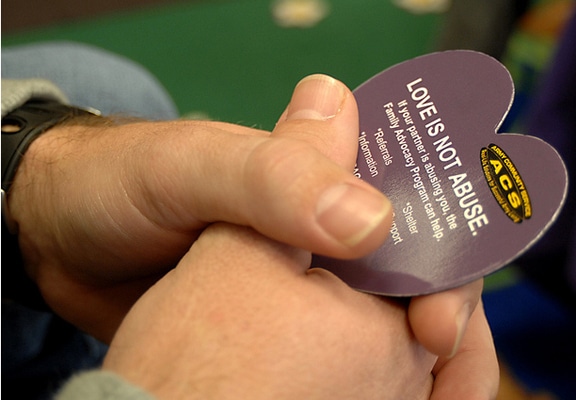
Released today, the study indicates that more than half of victims who needed emergency shelter or transitional housing found it. But many women are still being turned away.
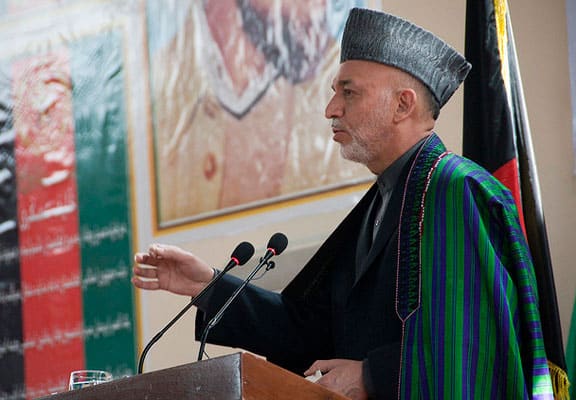
“Now we are going to be very attentive to what is going to happen and we are going to work with the Ministry of Justice,” one safety activist said after Karzai refused to sign a law that would have kept perpetrators of domestic abuse from facing justice.
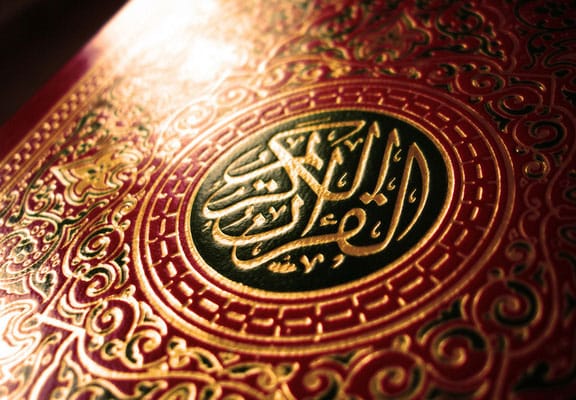
One of the Quran’s most controversial verses, Ranya Tabari Idliby was horrified to discover, was being taught to her American Muslim son. In this excerpt from “Burqas, Baseball and Apple Pie,” she interprets the verse as allegory, not instruction.
Prepared by their culture to stay home with the children, single female heads of household are ill-equipped for refugee life in the cities of Jordan. Survival sex, domestic violence and early marriage are all part of the coping effort.
This site uses cookies to provide you with a great user experience. By continuing to use this website, you consent to the use of cookies in accordance with our privacy policy.