A doula program in New York City has been giving care and comfort to women undergoing abortions for two years. Among the roughly 1,500 women who have been offered the services, only one woman so far has declined.
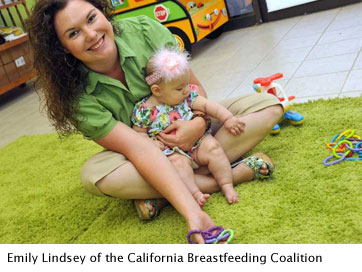
August is National Breastfeeding Awareness Month, and in California, lactation advocates have special reason to celebrate. Still, activists in the state are pushing for better laws and working to diminish disparities.
Suspicions that breast cancer could be caused by environmental pollution were once considered politically fringe. But in recent weeks, U.S. lawmakers, a presidential panel and the influential Susan G. Komen for the Cure have all signed on.
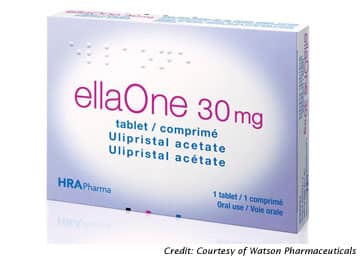
A new form of emergency contraception, effective for five days after unprotected intercourse instead of three, recently pulled through initial FDA hearings. Supporters are worried, however, about continued protest and problems.
Working Mother magazine’s “Best Companies for Hourly Workers” all support employees who want to pump breast milk on the job, something health reform will start requiring of companies with more than 50 employees.
For decades, the Indian state of Kerala has been approving pro-women measures. Last year 10 percent of the state’s budget went to programs for girls and women. A tea picker says her daughter benefits.
Women struggling with fallout from the mortgage crisis could get help in 2010. The government may start analyzing lending data for gender bias and the federal home-loan modification program could be expanded. The third of three stories.
Women’s expansion into home ownership coincided with a rush of complicated high-risk instruments onto the mortgage market. That turned a cornerstone of financial security into a dream crusher. The second of three stories.
Mortgage lending data doesn’t track a borrower’s gender as well as her credit history. But an extensive research analysis suggests women have been unfairly stuck with subprime “toxic” debt said to be for high-risk borrowers. The first of three parts.
Half of the infant formula sold in the U.S. is distributed by the government to low-income mothers. Critics say marketing inhibits black women from breastfeeding and the bottle habit needs to be broken. Fourth in a series on black maternal health.
This site uses cookies to provide you with a great user experience. By continuing to use this website, you consent to the use of cookies in accordance with our privacy policy.