Hajer Naili is a New York-based reporter for Women's eNews. She has worked for several radio stations and publications in France and North Africa and specializes in Middle East and North Africa women in Islam.
Most rapes are committed by men who know their victims, a fact at the heart of this April 20 video by the young cultural provocateur Yousef Erakat. He made the video to keep a promise to a fan, a rape survivor attacked by her own cousin during her 13th birthday party.
The draft law has made international headlines, mainly for provisions allowing girls as young as 9 and boys as young as 15 to marry. But when questioned on the likelihood that the text will be passed, one expert said: “I would say it is less than 50 percent.”
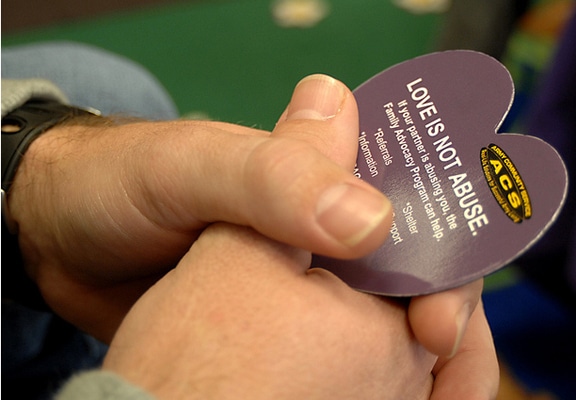
When women become homeless due to domestic violence the costs–medical, legal, child care, lost wages, trauma, loss of self-esteem–are hard to even estimate since they overlap and compound one another. The second in the Bias Price series.
A social media project launched last year asks Muslims to compare the space their mosques offer women and men. Its founder says that every mosque she’s visited in the United States, Canada and Europe has a side or back entrance for women.
While 96 percent of mothers in Syria had medical assistance when giving birth before the conflict, medical services for women have become almost nonexistent, finds a recent report from Save the Children. C-sections are riskier than ever and more than twice as common now.
Released today, the study indicates that more than half of victims who needed emergency shelter or transitional housing found it. But many women are still being turned away.
“I want to feel like I am a Saudi citizen, now I just feel like I am a follower of a man,” says a Saudi woman who sympathizes with the petition to abolish male guardianship. Two female members of the Shura Council told a signatory that the petition has been sent to a human rights committee.
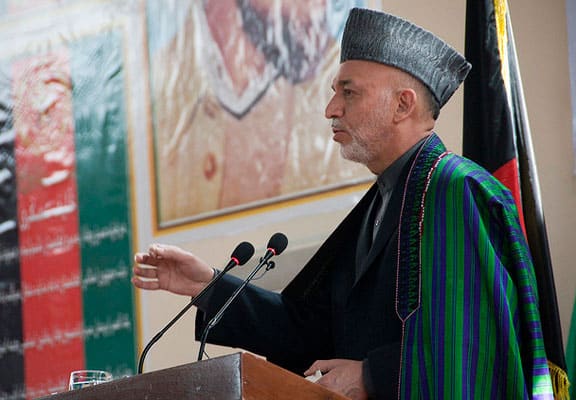
“Now we are going to be very attentive to what is going to happen and we are going to work with the Ministry of Justice,” one safety activist said after Karzai refused to sign a law that would have kept perpetrators of domestic abuse from facing justice.
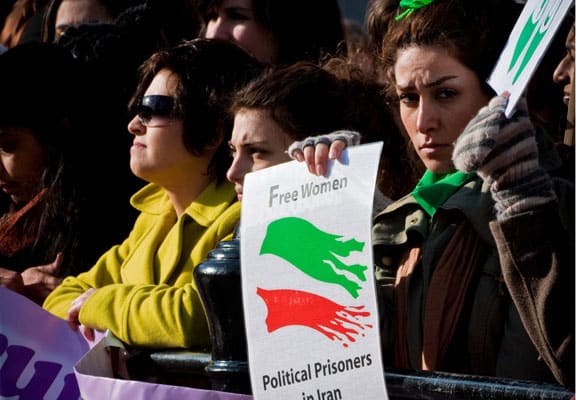
Sanctions easing by the U.S. could lessen Iran’s isolation and help the country’s civil society groups. But some exiled women’s rights activists are pessimistic. Real human rights progress, they say, can’t be expected from a religious dictatorship.
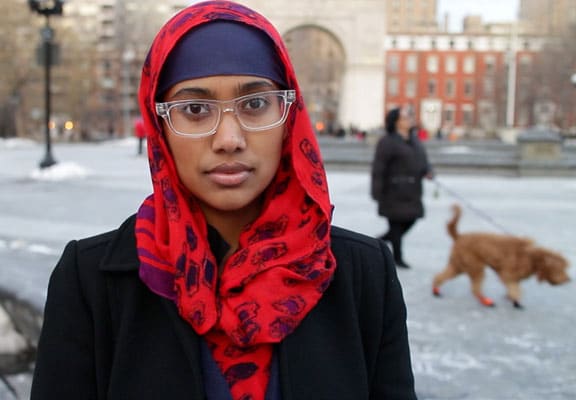
“Hijab is a part of my Muslim-American identity,” said one woman featured in this video interviewed on World Hijab Day on Feb. 1. “For me it is a display of my love for God. It is a form of worship.”
This site uses cookies to provide you with a great user experience. By continuing to use this website, you consent to the use of cookies in accordance with our privacy policy.