Choti Bai has left the dehumanizing work behind and is helping other Dalit women follow her lead. Manual scavenging is illegal in India but activists estimate that over a million people, mostly women, are still caught in it.
Defying extremely rigid gender-based traditions, a 32-year-old Rajasthan widow left her village and broke into the all-male ranks of railway porters in the capital city of Jaipur. Now she’s planning a better life for her children.
India’s advertising council has taken a strong stand against portraying people with dark skin negatively. Also this week, women’s caretaking roles have resulted in a disproportionate number of Ebola deaths: they are 60 percent of all those who died.
Women are running the “cold chains” crucial to the success of any immunization drive. They’re also administering the medicine, keeping track of records and swaying male attitudes that seemed unalterably opposed just 10 years ago.
Seventy communities in the United States will receive a total of $2.9 million in federal funds to support breastfeeding. Also this week, India’s federal cabinet voted to bar same-sex couples from adopting children.
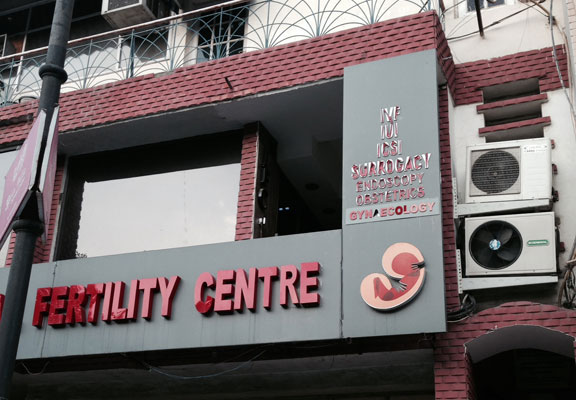
Two women have died from causes tied to their role as egg donors in India’s booming market for artificial reproduction. Advocates are pressing the government to publicize health warnings and pass regulations.
Prospects and the appreciation for women’s roles are improving everywhere from Liberia to Japan, says Hillary Clinton. Yet, during celebrations for Egypt’s new president, Tahrir Square was the site of a series of sexual assaults.
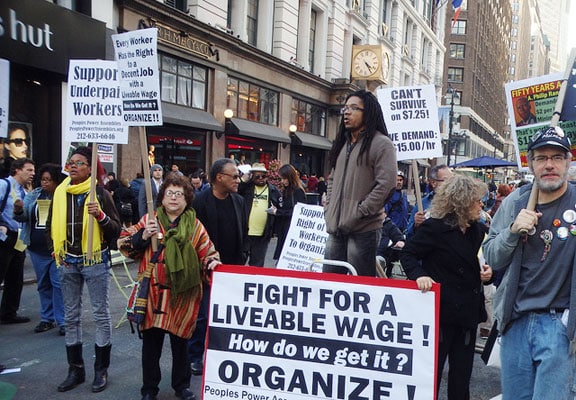
Seattle’s City Council has approved an increase in the city’s minimum wage to $15 an hour. Also this week, more horrific assaults against women and girls in India.
Nigerians are preparing for the special health care needed schoolgirls when they return. Meanwhile, a jailed Texas woman who was denied medical care while in labor, sued saying the prison’s refusal to help her caused her infant’s death.
Handling periods (or “menstrual hygiene management” as experts call it) isn’t the first thing one might associate with human rights. Yet the link between realization of rights for women and girls and menstrual hygiene management could not be clearer.
This site uses cookies to provide you with a great user experience. By continuing to use this website, you consent to the use of cookies in accordance with our privacy policy.