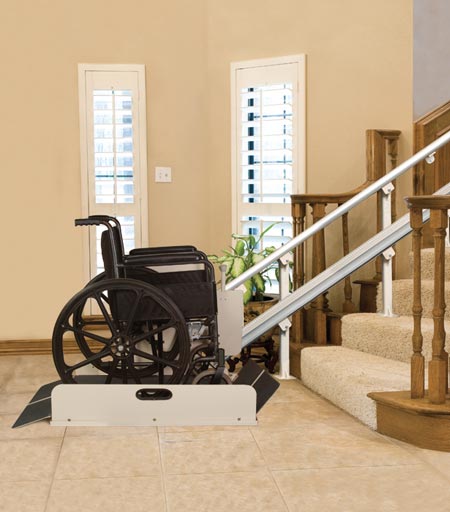
The struggle for accessible and affordable housing is a significant challenge for many women with disabilities in New York City. Jessica, a motorized wheelchair user who works at Bronx Independent Living Services, shares her story: “There are many available apartments on the regular apartment searching websites, but most apartment buildings are old… these buildings might be a walk-up without an elevator.” Her experience is a microcosm of a larger systemic issue that affects countless women. Megan, who has multiple sclerosis, adds, “I live in a second-floor apartment with stairs to the second floor and stairs to the outdoor entrance. It can be difficult on days when my legs are worse.”
The issue of housing inequities for disabled women is multifaceted, involving physical accessibility, financial constraints, and inadequate policy implementation. Joanne, another woman with disabilities, took matters into her own hands by renovating her house to make it more accessible – but such projects are costly and time consuming. In this article, we’ll examine the complexities of securing suitable housing for women with disabilities through the lens of their stories, highlighting personal experiences and systemic barriers.
A Troubling Legacy of Inaccessibility
The passage of the Americans with Disabilities Act (ADA) in 1990 was a significant milestone, aiming to eliminate discrimination against individuals with disabilities and ensure equal access to public facilities, including housing. But an Urban Institute Report highlights that people with disabilities still face urgent barriers to housing, including affordability and accessibility. Despite legislative efforts, the implementation and enforcement of these policies have often fallen short, leaving many disabled people – particularly women – in precarious living situations.
This legacy of inaccessibility continues to affect housing opportunities for disabled women. The Rehabilitation Act of 1973, another critical piece of legislation that sought to address these issues by prohibiting discrimination on the basis of disability in programs receiving federal financial assistance, has also experienced limited impact due to inconsistent enforcement, coupled with a lack of comprehensive implementation.
NYC’s Housing Puzzle
In New York City, the demand for accessible housing far exceeds supply. The National Disability Institute notes that many older buildings are not wheelchair accessible, and newer buildings, while compliant, are often prohibitively expensive. And stats from City Limits shows how demand for Section 8 housing waitlists has more than doubled, underscoring the scarcity of affordable options.
Financial barriers also present a problem. Many disabled people rely on fixed incomes such as Social Security Disability Insurance (SSDI) or Supplemental Security Income (SSI), which are often insufficient to cover the high costs of accessible housing. As a result, the intersection of disability and economic hardship does nothing but exacerbate the housing crisis.
Housing Lessons from Elsewhere
Looking abroad, cities like Stockholm and Berlin offer valuable lessons in accessibility and affordability. These cities have implemented inclusive policies that ensure a higher standard of living for disabled residents. According to a recent Cornell University study, countries with coordinated social care services tend to offer better housing solutions for people with physical and intellectual disabilities. In Sweden, for example, the concept of “universal design” is integrated into public policy, ensuring that new buildings and public spaces are accessible to everyone, regardless of their physical abilities.
Stockholm’s housing policies are particularly noteworthy. The city has a comprehensive approach to accessibility that includes financial support for housing modifications and stringent regulations for new constructions.
Closer to home, the Women’s Housing Coalition in Baltimore offers an example of community-based efforts to address housing inequities for disabled women. The Coalition provides affordable and supportive housing to homeless women and children, including those with disabilities. Their approach includes not only providing housing but also offering comprehensive support services to help residents achieve stability and independence. This model of combining housing with supportive services could be replicated in New York City. By addressing both the physical and social aspects in tandem, we could see a more holistic and effective solution to disabled women’s housing crisis.
An Accessibility Lottery
Jessica’s story highlights the complexities of applying for the housing lottery in NYC: “I signed up for the housing lottery…The hard part about the lottery is technically it’s still expensive even though they are supposed to be affordable prices.” The process is also fraught with uncertainties, as she elaborates, “It’s very difficult to plan on moving when you literally have no idea when you are going to move.” The lack of predictability in the housing lottery system adds significant stress for disabled applicants. Jessica’s experience is not unique, and many face similar hurdles in their quest for accessible housing. Additionally, even when accessible housing is available, it is often priced beyond reach. “The new buildings… can fit a power wheelchair, however, I have found these apartments to be even more expensive than apartments in older buildings,” Jessica adds.
Megan, a job-seeker and ambulatory wheelchair user who recently moved into a less-than-accessible apartment with a roommate, shares her daily struggles: “I live in a second-floor apartment with stairs to the second floor and stairs to the outdoor entrance. It can be difficult on days when my legs are worse (MS related disability often varies from day to day).” The inaccessibility of nearby public transportation exacerbates her situation, “The closest MTA station is also not wheelchair accessible. It is a 25-minute walk to the closest accessible station.” Megan’s story highlights how limited accessible housing options can force disabled women into less than ideal living conditions, impacting their mobility and quality of life. “I’m on a very tight budget, and so basically had to take the cheapest apartment I could find that didn’t require the 40x rent income rule or a co-sign and just make it work,” she adds.
Joanne, a working mother with cerebral palsy who undertook extensive renovations to make her home in the NYC area accessible, describes the transformative impact of these changes: “I can now move easily throughout my own home, and reach everything in my own kitchen.” Her renovations included adding a full bathroom with grab bars, leveling floors to eliminate thresholds, and widening hallways and doorways. Joanne’s experience emphasizes the importance of planning and financial preparation, as well as seeking advice from other disabled people: “Measure twice, cut once. Use Pinterest and Google for accessibility ideas… Make a list of must haves, and a list of nice to haves.”
Advocacy and Activism in Housing
Advocacy groups play a crucial role in addressing these housing inequities. Organizations dedicated to disability rights and housing advocacy work tirelessly to raise awareness, influence policy, and provide support to individuals navigating the housing market. The NYBits Blog provides practical guidance on finding accessible apartments in NYC, emphasizing the importance of education among landlords, property owners, and realtors. Megan agrees with this ethos: “I feel like the more the people who ‘hold the keys’ often don’t understand the lived experiences of disabled people, so it’s easier to discriminate, even unintentionally at times.”
Grassroots activism is another powerful tool for change. Community-based organizations and disability rights activists often organize campaigns, rallies, and public awareness events to highlight housing issues and demand action. These efforts not only raise public awareness but also put pressure on policymakers to address the needs of disabled people. Megan’s thoughts on this drills down on the importance of targeted advocacy: “More housing specifically set aside for disabled people that is not only accessible, but safe, affordable, and close to things like grocery stores, laundry, and public transportation.”
The Future of Accessible Housing
Addressing the housing inequities faced by women with disabilities requires innovative solutions and forward-thinking policies. Jessica suggests several improvements, such as “more transparency about when you’re going to be contacted” in the housing lottery process and making apartments with showers more affordable for those who need them. Her recommendations highlight the need for clearer communication and targeted financial support.
Addressing housing inequities for women with disabilities requires systemic change and dedicated advocacy. The stories of Jessica, Megan, and Joanne illustrate the urgent need for more accessible, affordable housing solutions. Financial barriers, inadequate housing stock, and systemic issues within housing programs create significant challenges for disabled women seeking housing that meets their needs. But by supporting policies and initiatives that promote housing equity, we can work towards a future where all disabled women have a place to call home.
About the Author: Alejandra Ospina is a fellow with The Loreen Arbus Accessibility is Fundamental Program, a fellowship created with Women’s eNews to train women with disabilities as professional journalists so that they may write, research and report on the most crucial issues impacting the disabilities community.